October 6, 2026
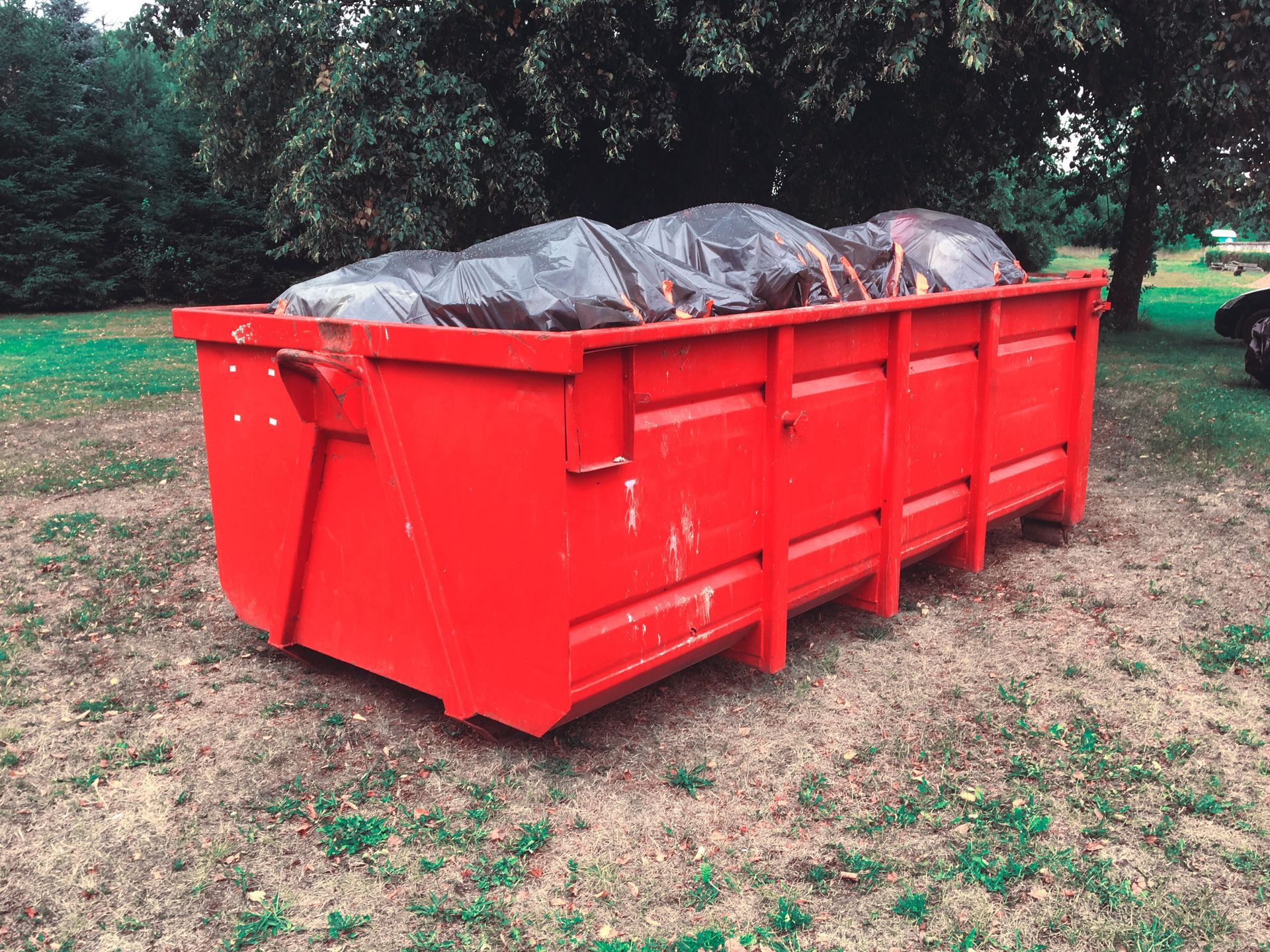
Tackling a major home improvement project usually requires far more than just standard curbside trash bins. Whether you are remodeling a kitchen, clearing an attic, or updating your landscaping, managing waste is crucial. Securing a reliable dumpster rental gives you a highly convenient central location to throw away excess clutter. Homeowners constantly find themselves overwhelmed by the sheer volume of discarded materials piling up on their property without a centralized bin.
This robust waste management solution has become increasingly popular for residential renovation projects across the entire country. According to Omrglobal.com, the market for these temporary disposal containers was valued at $578.0 million in 2024. As more homeowners choose to take on complex renovations, the demand for accessible waste removal continues to grow. Having a dedicated bin stationed in your driveway makes the entire cleanup process easier. Knowing the specific disposal rules beforehand ensures your project stays on schedule and within budget.
Know the Acceptable Household Items
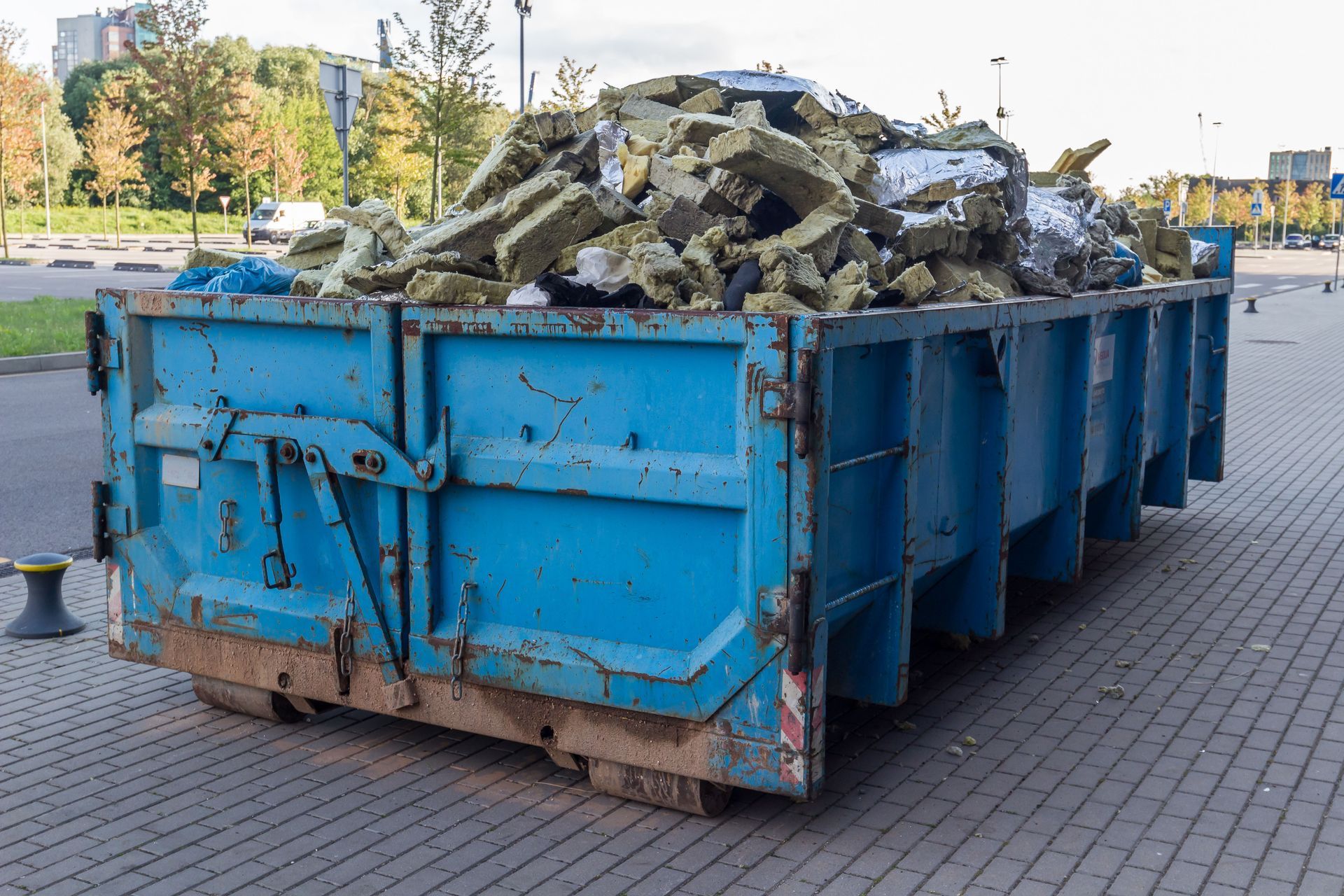
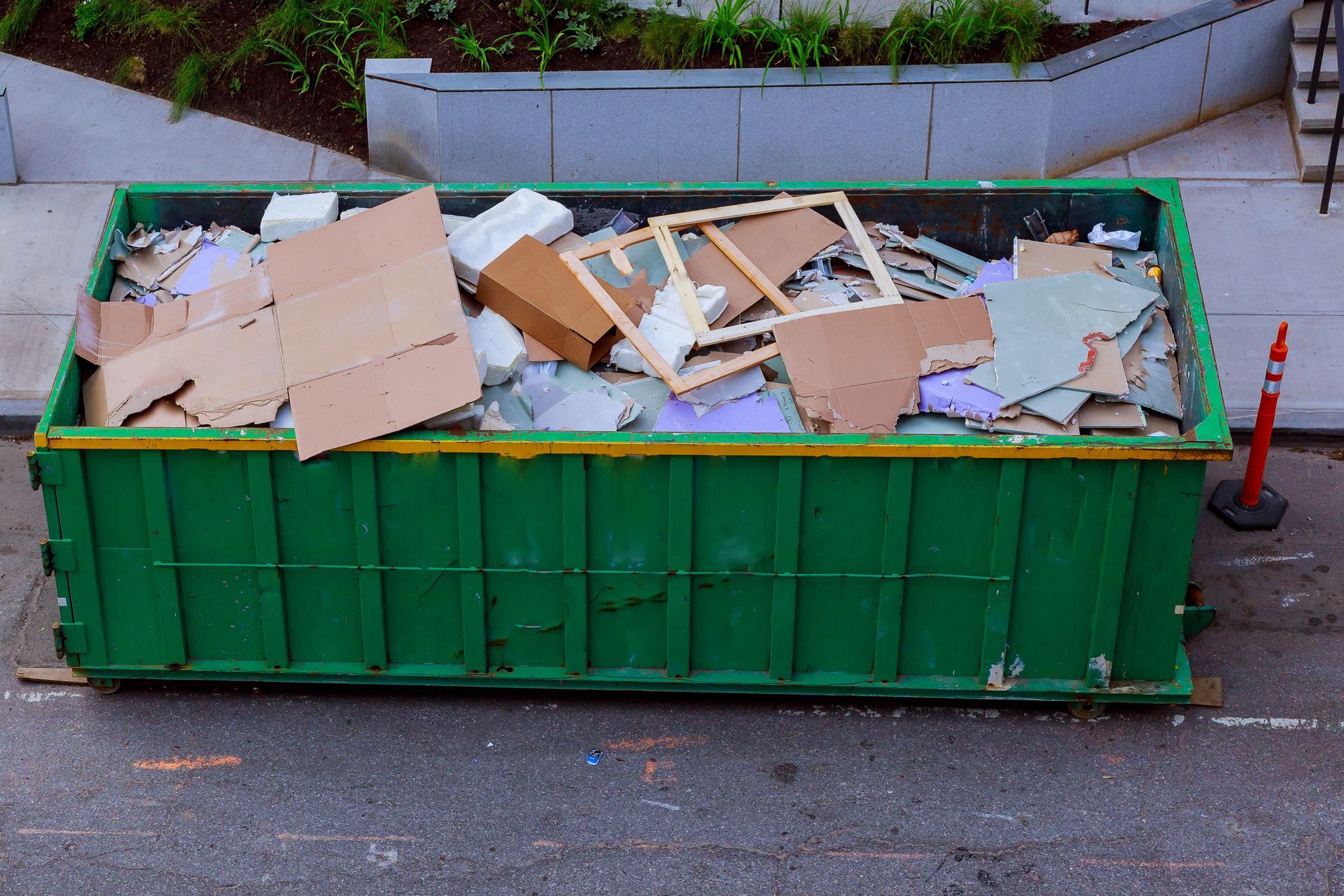
Most typical household junk is fine to toss into your rented waste container without hesitation. You can safely dispose of broken wooden furniture, stained carpets, torn mattresses, and heavily damaged interior drywall. Non-organic residential trash, such as shattered plastic storage bins, crushed cardboard boxes, and old textiles, is also perfectly acceptable. Always make sure to physically break down extremely bulky pieces when possible to save valuable space inside.
General remodeling debris like wooden wall studs, plywood scraps, and stripped flooring materials can easily be tossed away. A typical dumpster rental easily accommodates the massive mess created by minor bathroom upgrades or expansive bedroom overhauls. You can confidently throw in old ceramic floor tiles, broken bathroom vanities, and outdated metal light fixtures without any major environmental concerns. Just be extremely careful when tossing shattered vanity mirrors or window glass, as sharp edges can be dangerous.
Old household appliances can sometimes be thrown directly in, but this specific category comes with very important safety caveats. Typical items like kitchen microwaves or traditional electric ovens are generally accepted because they do not contain harmful refrigerants. Always remove the heavy metal doors from these appliances before throwing them away to prevent accidental entrapment hazards for children. If you are ever unsure about a specific household item, calling your local provider for quick clarification is always best.
Avoid These Hazardous Waste Materials
Certain dangerous items are strictly prohibited from entering a standard waste container due to robust environmental laws. You must never attempt to dispose of wet interior paint, harsh chemical solvents, or highly flammable engine motor oils. These dangerous liquid chemicals can easily leak out of the container base and permanently contaminate the local natural soil or groundwater. You will need to carefully transport these hazardous fluids to a specialized municipal recycling center that handles toxic chemical waste.
Household refrigerators, window air conditioning units, and chest freezers are universally banned because of the toxic freon gas they contain. The volatile chemical cooling agents inside these complex machines require careful mechanical extraction by certified environmental professionals. Tossing an intact cooling appliance into your dumpster rental will almost certainly result in a highly significant monetary penalty fee. Check with your local city sanitation department to quickly find out exactly how and where to recycle cooling appliances.
Automotive components like thick rubber vehicle tires and heavy lead-acid car batteries are also heavily restricted from general municipal landfill disposal. Tires tend to trap rising methane gas and aggressively float to the surface of active landfills, severely disrupting decomposition. Car batteries constantly leak highly corrosive acid fluids that pose severe physical safety threats to the hardworking sanitation workers. Most local auto parts retail stores or professional mechanics will gladly take your old tires and batteries for a small fee.
Handle Heavy Construction Debris Carefully
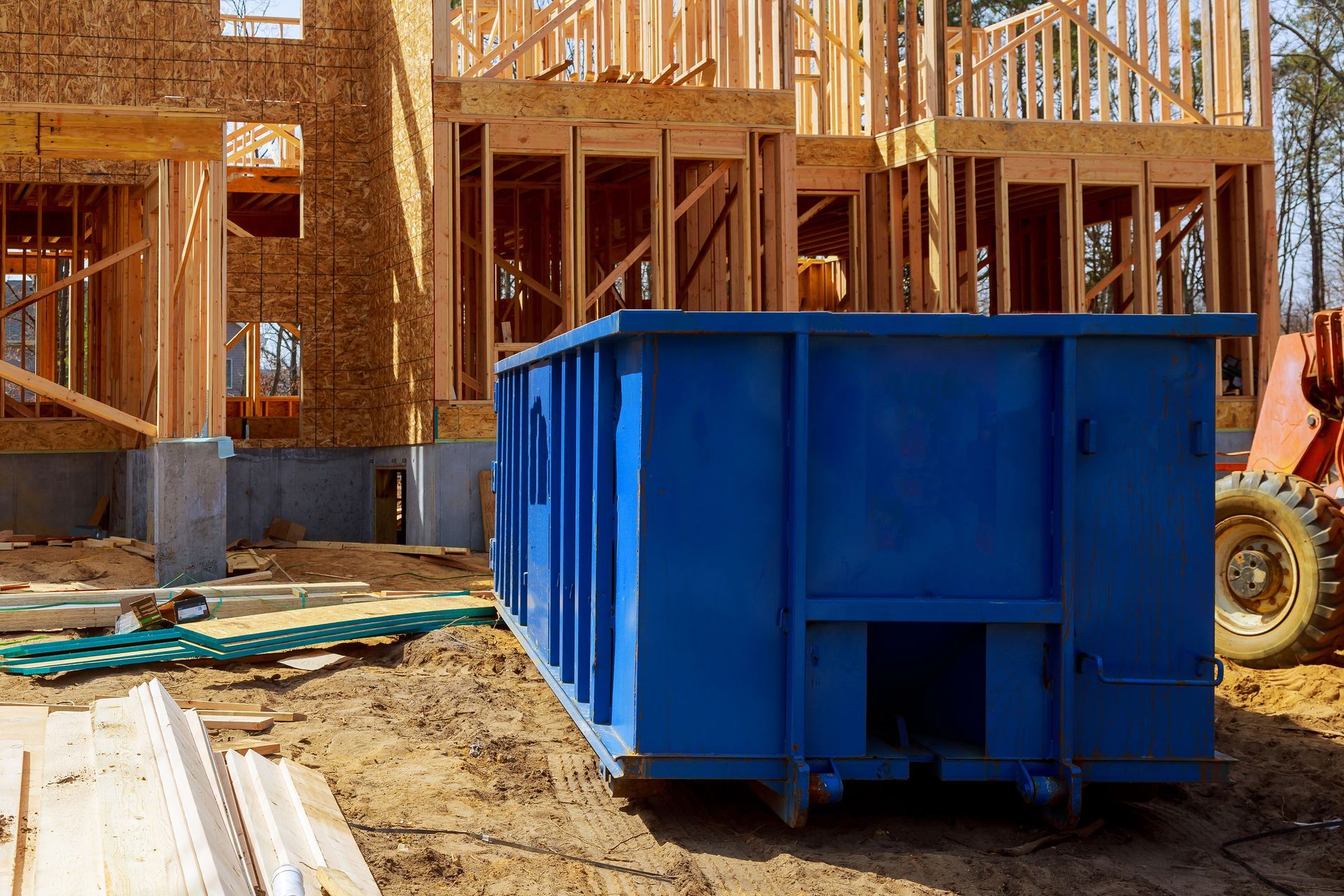
While standard interior renovation trash is lightweight, heavy exterior masonry materials require special attention and specific logistical disposal strategies. Massive concrete chunks, solid red bricks, heavy driveway paving stones, and thick asphalt debris weigh significantly more than standard indoor junk. Throwing too much of this incredibly dense material into a standard dumpster rental can easily cause the transport truck to exceed road limits. If the loaded truck is ultimately too heavy, you will unfortunately be forced to unpack the excess material by hand.
To manage intensely dense materials safely, providers frequently offer a specialized dumpster rental designed specifically for incredibly heavy outdoor construction loads. These specialty metal bins are typically much shorter than standard tall containers to actively prevent you from physically overloading the vehicle. You are usually explicitly allowed to fill them up only to a specific designated bright line permanently painted on the interior walls. Sticking to these strict structural height restrictions firmly ensures the trained truck driver can safely lift the dense payload.
Another highly important rule for heavy masonry debris is that it generally cannot be mixed with other distinct types of household trash. Industrial facilities that sustainably recycle old concrete or ripped asphalt require the incoming load to be completely clean. If you accidentally toss plastic grocery bags or wooden floor planks in with your crushed concrete, the recycling facility will reject the load. Separating your heavy masonry waste from your general lightweight construction debris is absolutely crucial for highly successful final disposal.
Maximize Your Container Space Efficiently
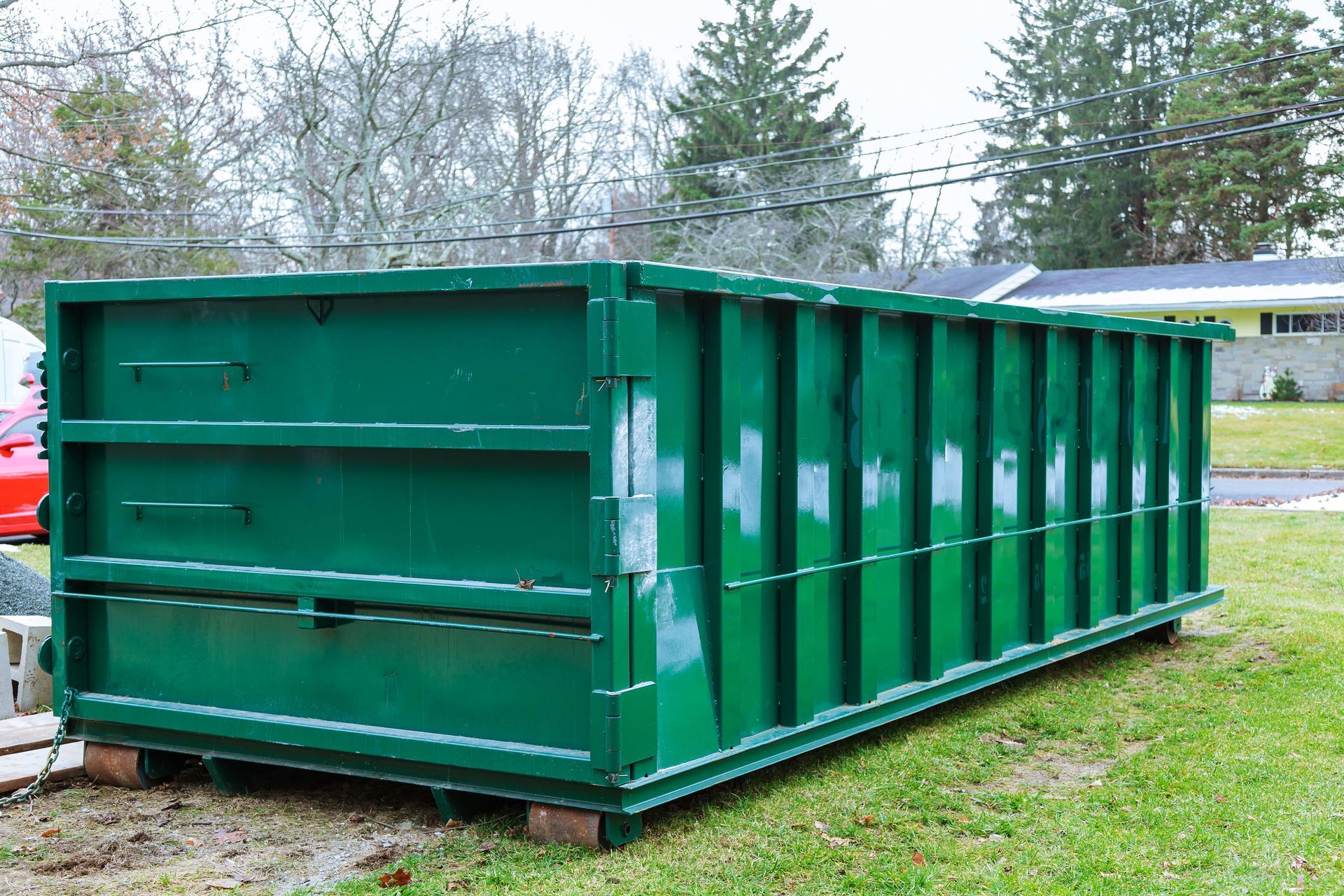
Getting the absolute most financial value out of your waste container requires highly strategic loading techniques rather than just tossing things randomly. You should always slowly walk your largest bulky items directly through the swinging back metal door and lay them flat. Creating a solid base layer actively prevents awkward empty gaps and completely maximizes the available interior square footage at the bottom. Tossing large wooden furniture haphazardly over the top steel sides usually results in a chaotic pile that severely wastes space.
Once your heavy foundational base layer is firmly established, you can carefully begin filling in the remaining empty gaps with smaller debris. Proactively break down all empty cardboard packing boxes, physically dismantle wooden bedroom frames, and thoroughly cut up long plastic pipes. Taking several extra quiet minutes to physically crush or actively dismantle bulky hollow items drastically increases your overall volumetric carrying capacity. A strategically packed and well-organized dumpster rental can successfully hold substantially more discarded household junk than an unstructured pile.
It is incredibly critical to consistently keep a very close eye on the maximum safety fill line as your cleanup project rapidly progresses. Professional waste management companies are firmly legally forbidden from safely transporting loaded containers with jagged debris protruding. If you irresponsibly overfill your bin, the frustrated driver will simply leave it securely on your property until you manually remove the top layer. To prevent debris from getting unexpectedly heavy, always try to cover your dumpster rental during severe afternoon rainstorms.
Managing a major residential cleanout project absolutely does not have to be a stressful or chaotic experience for a busy homeowner. By thoroughly understanding exactly what is explicitly allowed inside your container, you can completely avoid unexpected financial fines and schedule delays. Securing a trusted and highly reliable
dumpster rental is simply the absolute smartest way to constantly keep your active residential property perfectly organized. With the right logistical preparation, you will be able to quickly tackle even the most daunting home renovations with absolute personal confidence.
If you are ready to tackle your next big project, we are here to provide the perfect waste management solution. At Carolina Disposal Service, our team is dedicated to bringing you prompt, professional, and entirely hassle-free delivery directly to your driveway. Give us a call today, and let us help you keep your home beautiful, clean, and completely clutter-free!